Creating a positive learning environment
12/09/2026
Licence

This current work by Sarah von Grebmer zu Wolfsthurn, Sara Lil Middleton and Malika Ihle is licensed under a CC-BY-SA 4.0 Creative Commons Attribution 4.0 International SA License. It permits unrestricted re-use, distribution, and reproduction in any medium, provided the original work is properly cited. If you remix, transform, or build upon the material, you must distribute your contributions under the same license as the original.
Contribution statement
Creator: Von Grebmer zu Wolfsthurn, Sarah ( 0000-0002-6413-3895)
Reviewer: Middleton, Sara (0000-0001-5307-8029)
Consultant: Ihle, Malika ( 0000-0002-3242-5981)
Before we start: Survey time!
Scan the QR code and select the item Intro-Survey from the list.
Why the learning environment matters
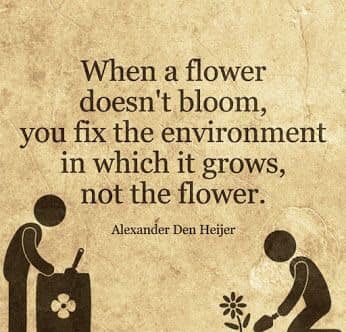
- Influences motivation
- Influences performance
- Influences emotional well-being
Why the learning environment matters
- Influences motivation
- Influences performance
- Influences emotional well-being
All linked to long-term knowledge retention and increased job competencies.
Verbal strategies
- Small-talk (yes, it is important)
- Call learners by their name
- Validate and show appreciation
- Accept silences
- Practice active listening
Note
Consider potential language barriers or cultural differences in verbal communication, e.g., technical terms, high vs. low context cultures, feedback styles.
The skill of active listening
“… listening with attention and intention to understand another person’s message, while showing that understanding through responses such as clarification, reflection, and feedback.”

- Paraphrase what audience members express (“So you are saying that..”)
- Make explicit connections between statements (“This connects to what we discussed before..”)
- Refrain from premature judgment (“Ah the SAME happened to me!”)
- Ask for clarification (“Do I understand correctly..”)
- Listen fully before responding
Body language
- Maintain eye contact with learners
- Use your body for communication
(shake head, use hands)

Note
Consider cultural differences in body language, e.g., perception of eye contact and body gestures.
Attitudes towards your audience: methods
- Motivate audience to get involved as early as possible
- Have introductory activities
- Use different visualization methods to encourage different ways of participation (e.g., through speaking, chat, collaborative documents, whiteboards, anonymous questions…)
- Adapt to your audience: pace, examples, level of difficulty …

Note
Consider neurodiversity when designing engagement activities and visualizations: color choices, sensory processing, mental imagery…
Fostering a growth mindset
Growth mindset = “the ability to reframe perceived failures as opportunities to learn and grow” (Dweck, 2006)

- Positive error framing
- Praise effort and improvement, not performance or ability
- Provide opportunities for self-assessment
- Present multiple possible approaches
- Help your learners set realistic expectations
Establish norms for interaction
Question: Which learning interactions will be common in your event/course? (e.g., large group discussions, work in pairs..)
- Based on this: establish rules for interaction
(or a Code of Conduct) - Examples:
- Take group work seriously
- Listen respectfully, do not interrupt
- Respect different perspectives and experiences with Open Research, critique ideas, not people
- Use inclusive language and try to avoid assumptions about others
- …

Universal design for learning
- Framework by CAST to improve and optimize teaching and learning for all people based on scientific insights in how humans learn
- Addresses diversity in learning in three categories:
- Engagement (the why of learning)
- Representation (the what of learning)
- Action & Expression (the how of learning)
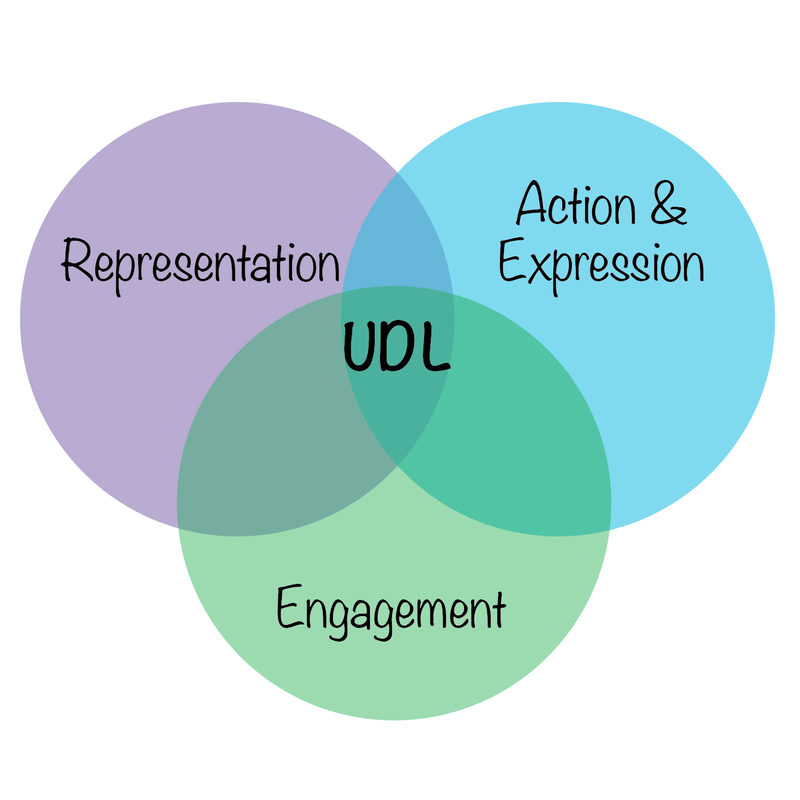
Expression: Inclusive language
= language that acknowledges the diversity of people, avoids stereotypes, discrimination and assumptions and supports equal opportunities (United Nations)

Take-home messages
To conclude: Survey time!
Scan the QR code and select the item End-Survey from the list.