19/04/2026
This work was originally created by Felix Schoenbrodt under a CC-BY 4.0 Creative Commons Attribution 4.0 International License. This current work by Sarah von Grebmer zu Wolfsthurn, Malika Ihle and Felix Schoenbrodt is licensed under a CC-BY-SA 4.0 Creative Commons Attribution 4.0 International SA License. It permits unrestricted re-use, distribution, and reproduction in any medium, provided the original work is properly cited. If you remix, transform, or build upon the material, you must distribute your contributions under the same license as the original.
Creator: Von Grebmer zu Wolfsthurn, Sarah (
0000-0002-6413-3895)
Reviewer: Schönbrodt, Felix (
0000-0002-8282-3910)
Consultant: Ihle, Malika (
0000-0002-3242-5981)
Important
Before completing this submodule, please carefully read about the prerequisites.
| Prerequisite | Description | Link/Where to find it |
|---|---|---|
| UNESCO Recommendations on Open Science | Recommended reading: pp 6-19 | Download Link |
Based on your experience so far, how would you currently rate your trust in published scientific findings on a scale from 1 - 5? (1 = not trusting any of the findings, 2 = trusting only some findings, 3 = trusting about half of the findings, 4 = trusting the majority of the findings, 5 = trusting all findings)
1
2
3
4
5
Based on your experience so far, do you currently see any challenges in research?
Display Wordcloud answer.
Based on your experience so far, which concepts to you connect to research more broadly?
Display Wordcloud answer.
What is your level of familiarity with Open Research practices in general (e.g., basic concepts, terminology, or tools)?
I am unfamiliar with the concept of Open Research practices.
I have heard of them but I would not know how they apply to my work.
I have basic understanding and experience with Open Research practices in my own work/research/studies.
I am very familiar with Open Research practices and routinely apply them in my daily work/research/study routines.
What do we see in the results?
Previously:
Up next:
By the end of this session, learners will be able to:
Aim: Introduce key terms and definitions that students will come across throughout the session.
Key Term 1: Definition
Key Term 2: Definition
Key Term 3: Definition
Task: Collect your thoughts with your neighbor.
What does “research” mean to you?
“Research refers to a careful, well-defined (or redefined), objective, and systematic method of search for knowledge, or formulation of a theory that is driven by inquisitiveness for that which is unknown and useful on a particular aspect so as to make an original contribution to expand the existing knowledge base. Research involves the formulation of hypothesis or proposition of solutions, data analysis, and deductions; and ascertaining whether the conclusions fit the hypothesis. Research is a process of creating, or formulating knowledge that does not yet exist.”
Deb, D., Dey, R., & Balas, V. E. (2018). Introduction: What is research? In Engineering Research Methodology: A Practical Insight for Researchers (pp. 1-7). Singapore: Springer Singapore.


DBR English greyscaler (Design-based research cycle)” by Sarah Zloklikovits, licensed under CC BY 4.0 — Wikimedia Commons.
Task: For the following “observation”, map out the individual steps of the research cycle:
“I wonder what happens to pasta when I cook it in unsalted water?”
Resnik, D. B. (2011). Scientific research and the public trust. Science and engineering ethics, 17(3), 399-409.

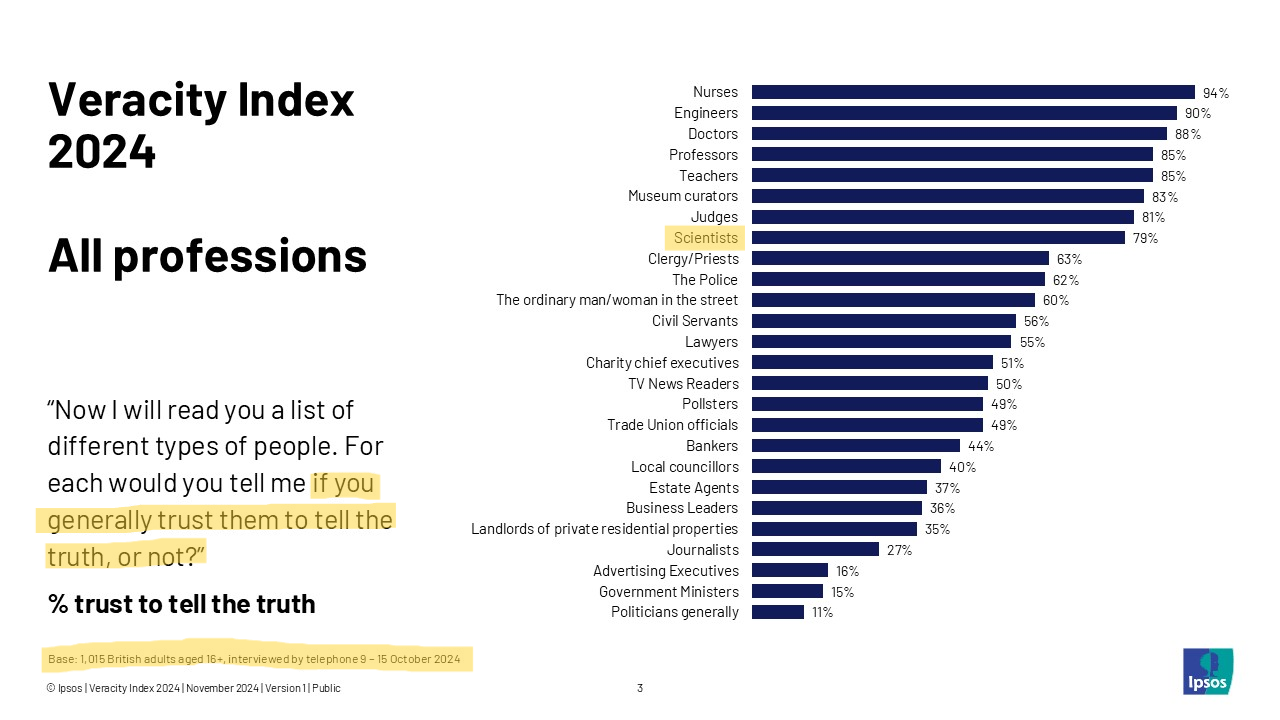
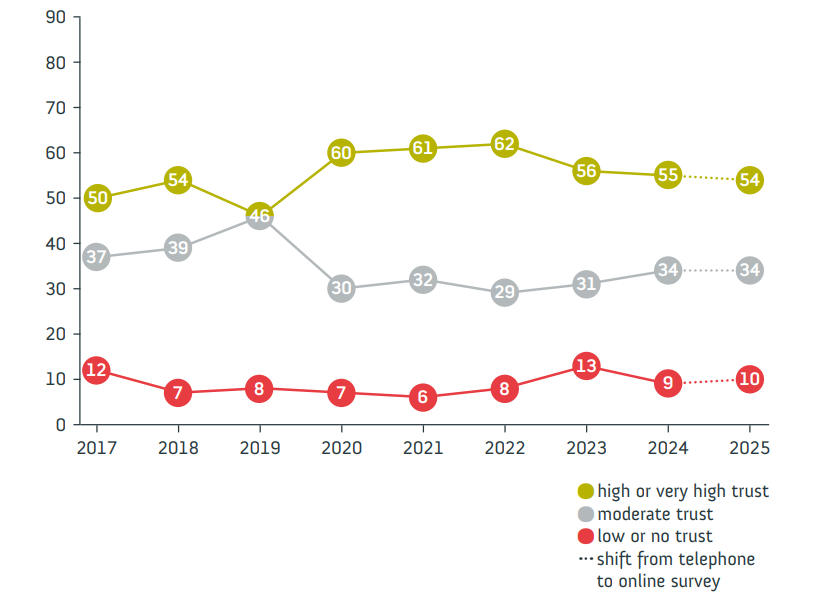
Sources: Veracity Index 2024, Ipsos; Seyd, B. (2025). What is trust (in science and scientists) and is it in crisis?. Current Opinion in Psychology, 67. https://doi.org/10.1016/j.copsyc.2025.102201
Seyd, B. (2025). What is trust (in science and scientists) and is it in crisis?. Current Opinion in Psychology, 67. https://doi.org/10.1016/j.copsyc.2025.102201

Source: Wissenschaft im Dialog/Verian. The original text of the questionnaire as well as all result tables are available online via the following link: www.sciencebarometer.com.
No consensus on definition from the perspective of researchers
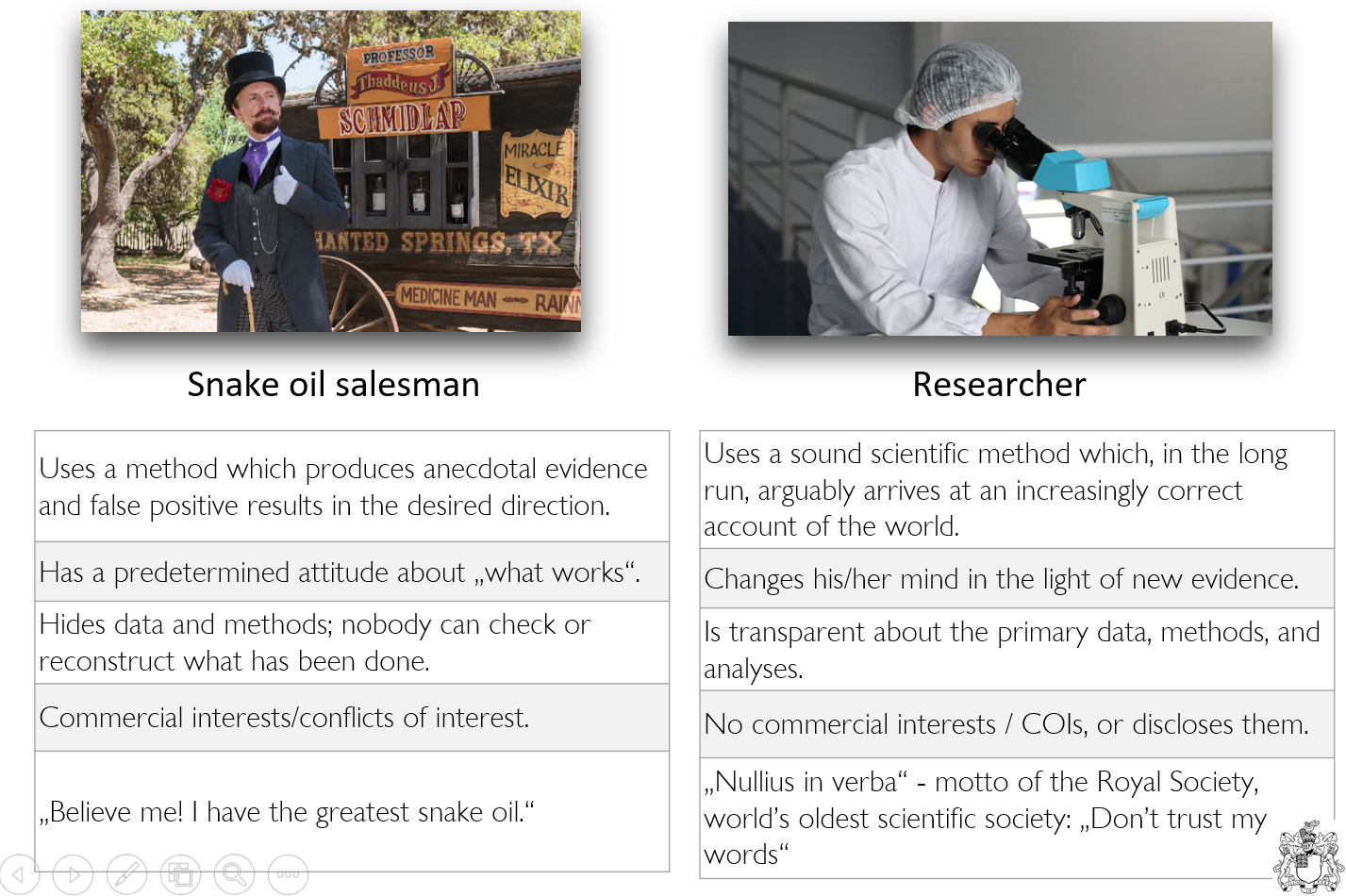
Trust is essential for effective collaboration among researchers (includes co-authorship, peer review, data sharing, replication, teaching, mentoring etc.)
Scientists reading published research trust that the work was conducted as described, that all relevant methodological details are disclosed, and that the data have not been fabricated or falsified
Resnik, D. B. (2011). Scientific research and the public trust. Science and engineering ethics, 17(3), 399-409.
As a researcher, what can you do to make your pasta experiment trustworthy?
Tip
Think about your approach when formulating your hypothesis, when conducting your experiment, when analyzing your data, when writing up your findings; but also about potential confounding variables or hurdles you could encounter during the research process.
| Feature | Replicability | Reproducibility |
|---|---|---|
| Definition | Ability to repeat an experiment using the same methods and obtain the same results | Ability to obtain consistent results using the original data and code |
| Focus | aka repeating the experiment and collecting new data | aka re-analyzing the original data with the original code etc. |
| Materials | Same experiment setup, protocols, conditions etc. | Original data, analysis scripts, code etc. |
| In practise | Running the same psychological experiment with new participants | Running the published analysis on the original dataset |
Additional exercises
Want to practice how to distinguish the two? Skip to the end of the slides for additional exercises on replicability vs. reproducibility.
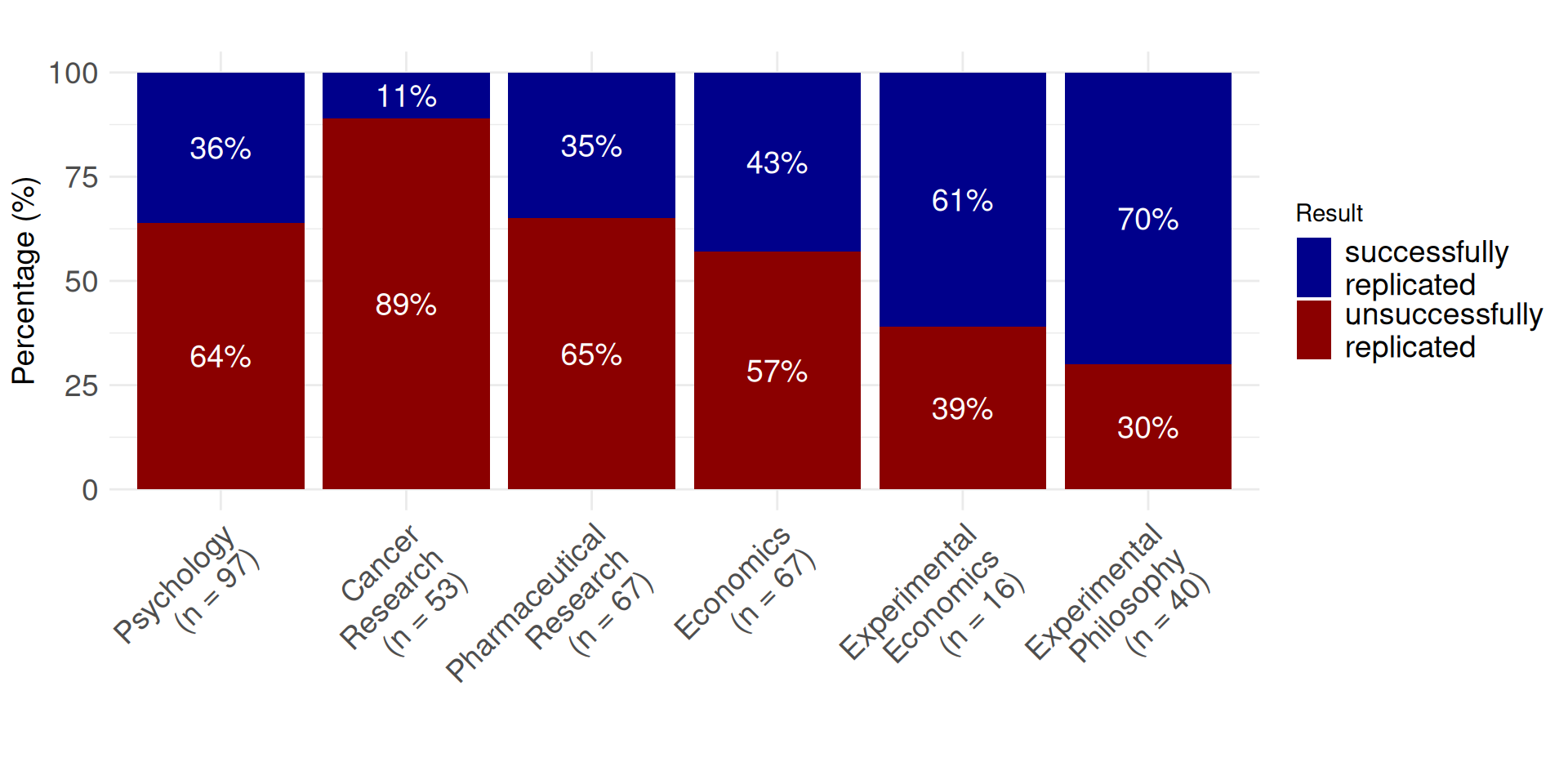
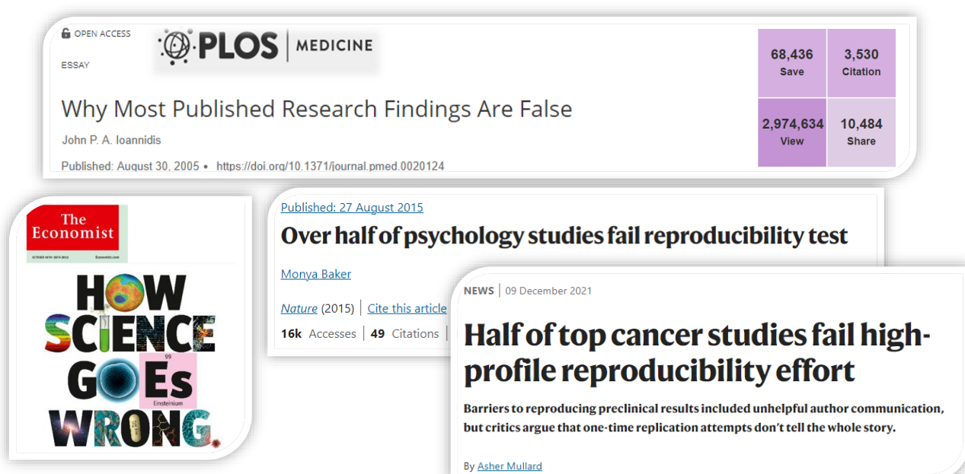
Begley, C. G., & Ellis, L. M. (2012); Camerer et al (2016); Chang & Li (2015); Cova et al. (2018); Open Science Collaboration (2015); Social Science: Combined sample of systematically sampled projects (RPP, SSRP, EERP); Prinz, F., Schlange, T., & Asadullah, K. (2011); Protzko et al. (2023)
Tyner et al. (2026):
| Discipline | Replication attempts (successful / total) | Percentage successful |
|---|---|---|
| Business | 17 / 36 | 47.2% |
| Economics | 10.2 / 24 | 42.5% |
| Education | 8.2 / 13 | 63.1% |
| Political science | 7.8 / 15 | 52.0% |
| Psychology | 28.4 / 58 | 49.0% |
| Sociology | 9.2 / 18 | 51.1% |
Tyner, S. K., Abatayo, A. L., Dayley, M., et al. (2025). Investigating the replicability of the social and behavioural sciences. Nature. https://doi.org/10.1038/s41586-025-10078-y
What did they find?
Large portion of replications produced weaker evidence for the original findings despite using materials provided by the original authors.
Open Science Collaboration. (2015). Estimating the reproducibility of psychological science. Science, 349(6251), aac4716.

Adapted from Dr. Malika Ihle: https: https://osf.io/u3znx
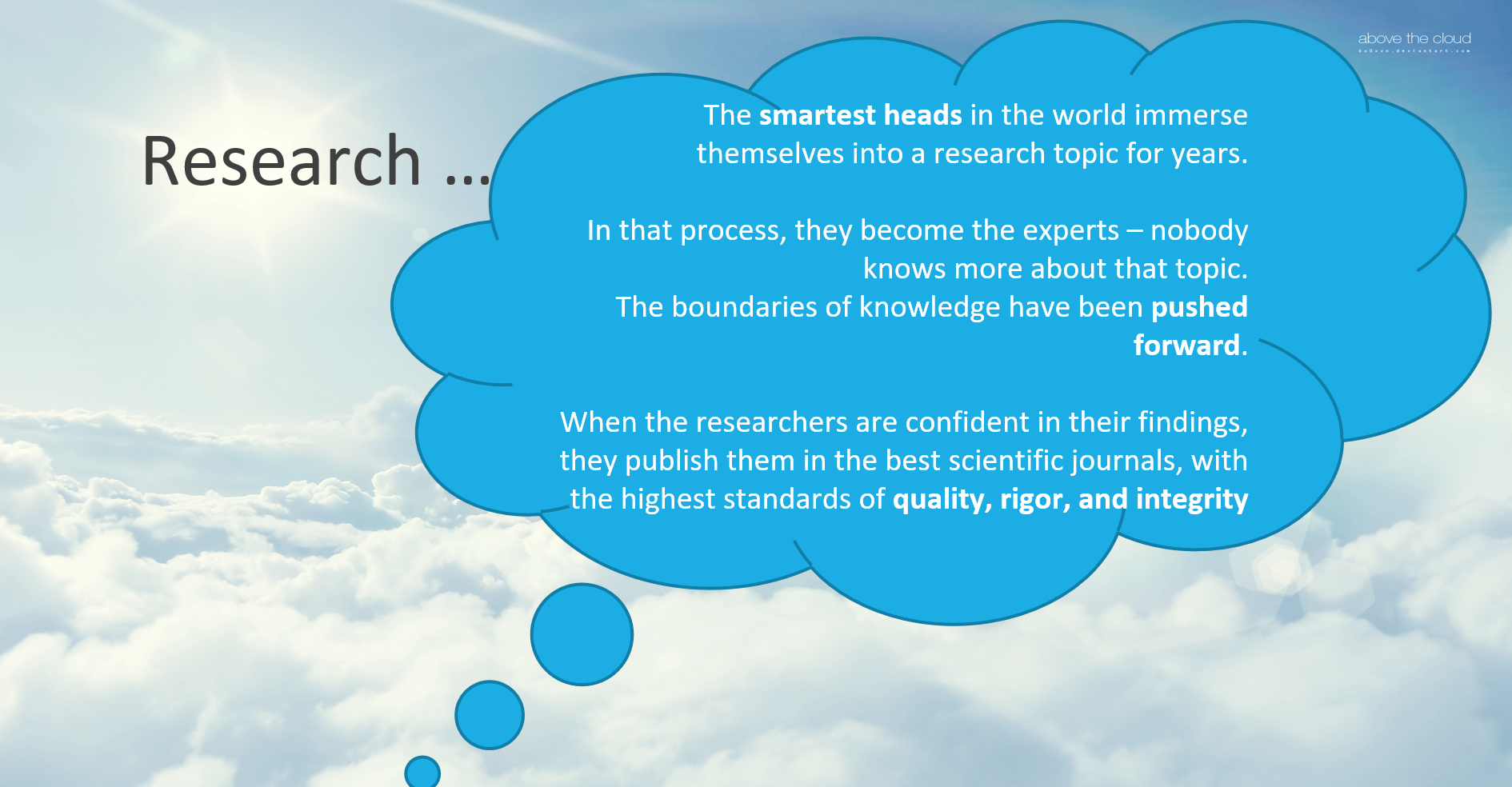
Why published papers are useful:
Getting a job
Being awarded grant money for your research
Being visible in the respective research field
…
Why published papers are useful:
Getting a job
Being awarded grant money for your research
Being visible in the respective research field
…
Consequence: Rat race culture
Researchers try to publish as much as they can and to outperform their peers (Schmidt et al., 2021).
| Actual (not desired) relevance in professorship hiring committees | Rank |
|---|---|
| Number of peer-reviewed publications | 1 |
| Fit of research profile to the hiring department | 2 |
| Quality of research talks | 3 |
| Number of publications | 4 |
| Volume of acquired third party funding | 5 |
| Number of first authorships | 6 |
Abele-Brehm, A. E., & Bühner, M. (2016). Wer soll die Professur bekommen? Psychologische Rundschau, 67(4), 250–261. http://doi.org/10.1026/0033-3042/a000335
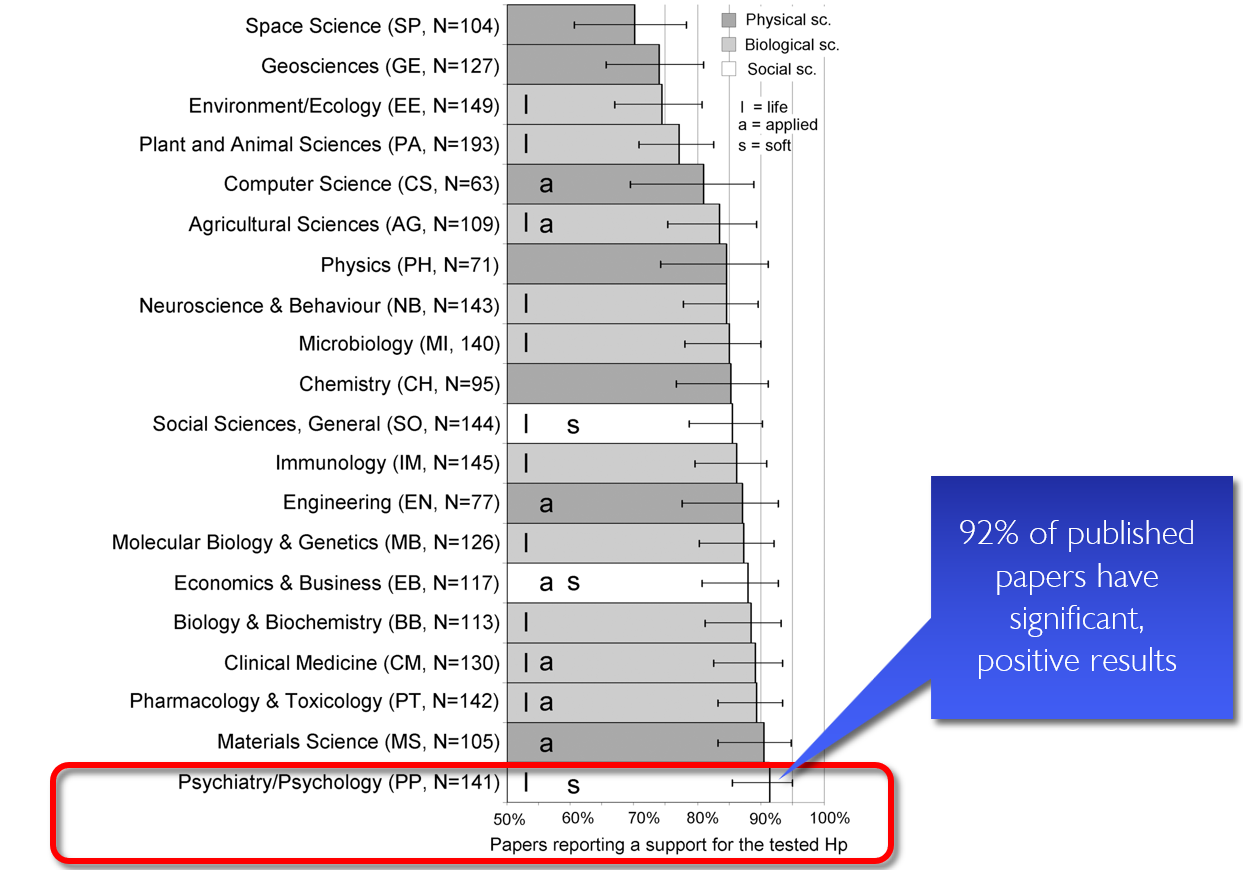
Fanelli, D. (2010). “Positive” results increase down the hierarchy of the sciences. PLOS ONE, 5, e10068. https://doi.org/10.1371/journal.pone.0010068
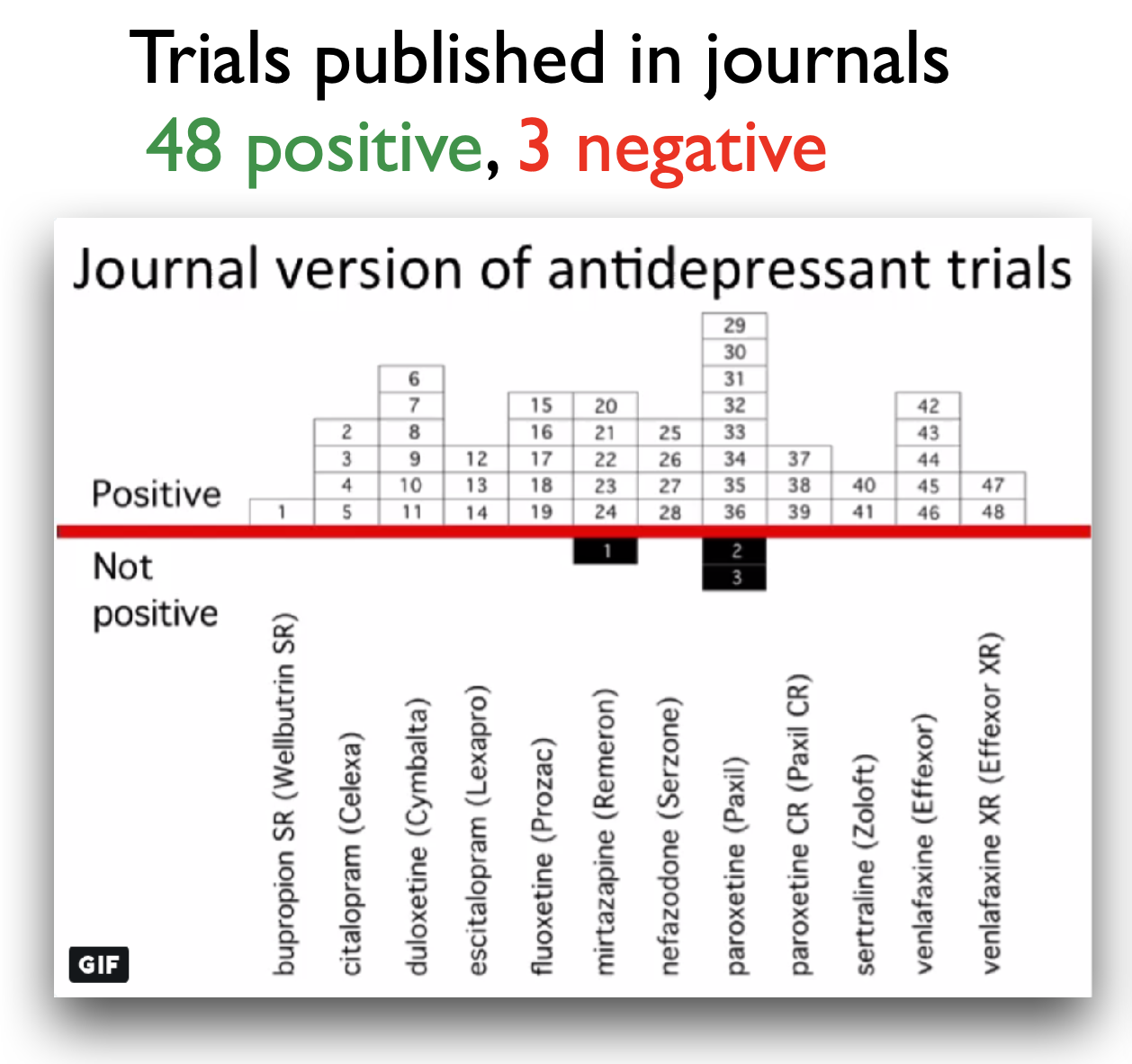
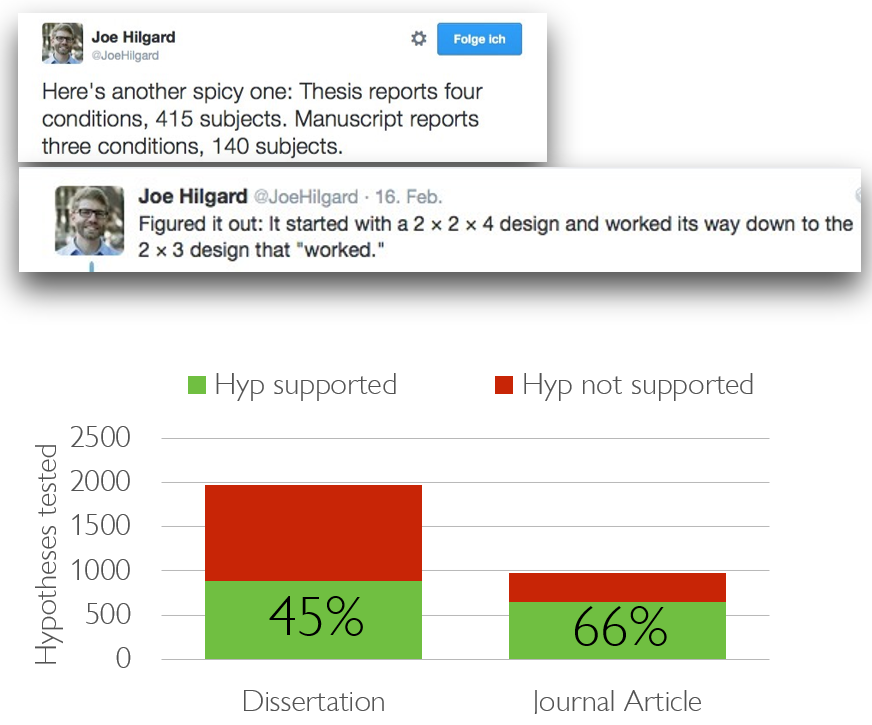
“If my study works, I can publish it. If it does not, let’s hide it the drawer.”
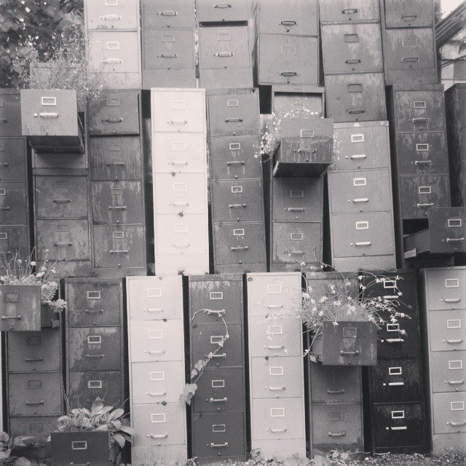
Song, F., Hooper, L., & Loke, Y. K. (2013). Publication bias: what is it? How do we measure it? How do we avoid it?. Open Access Journal of Clinical Trials, 71-81. https://doi.org/10.2147/OAJCT.S34419
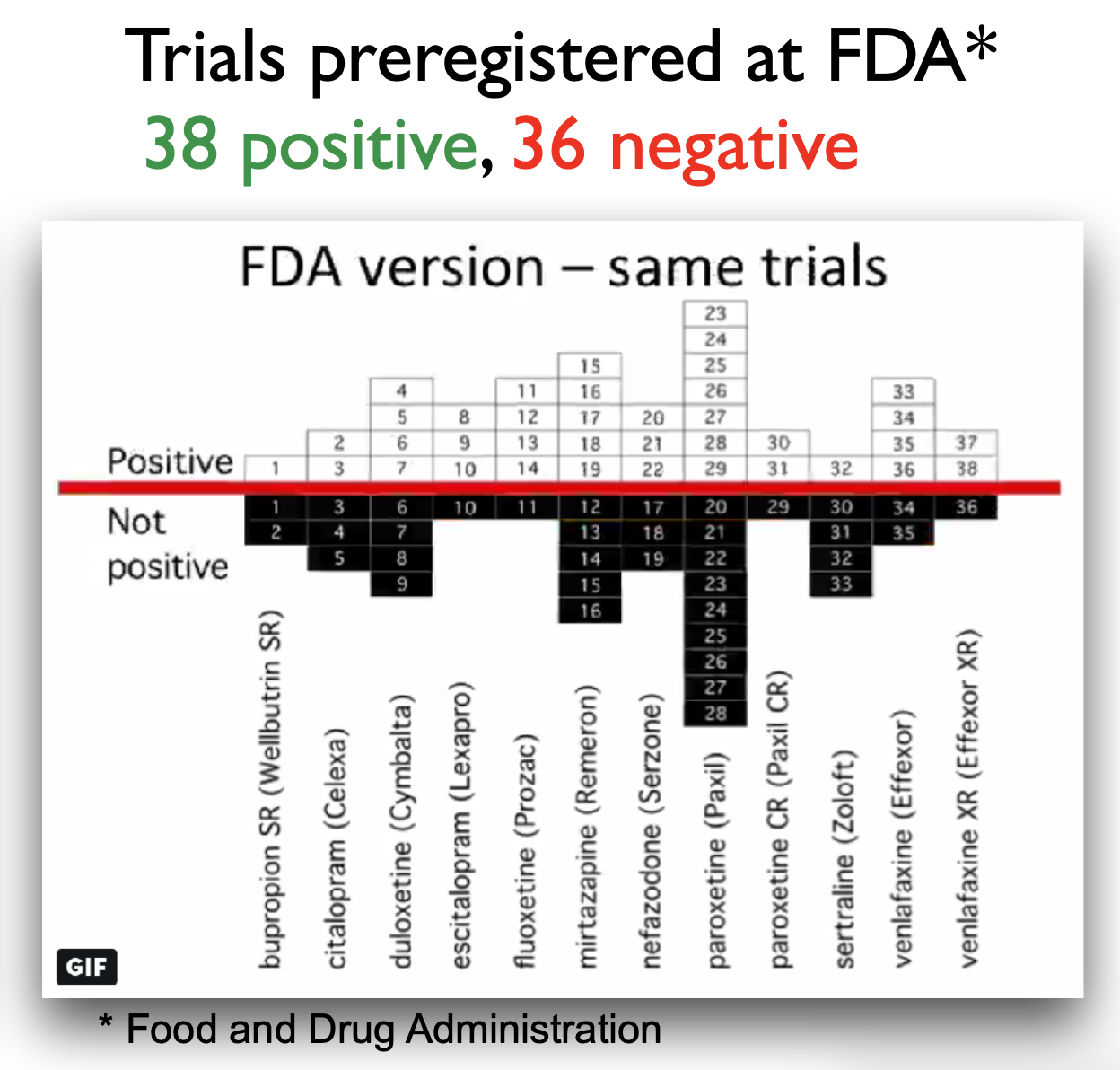
Turner, E. H., Matthews, A. M., Linardatos, E., Tell, R. A., & Rosenthal, R. (2008). Selective publication of antidepressant trials and its influence on apparent efficacy. New England Journal of Medicine, 358(3), 252-260. https://doi.org/10.1056/NEJMsa065779
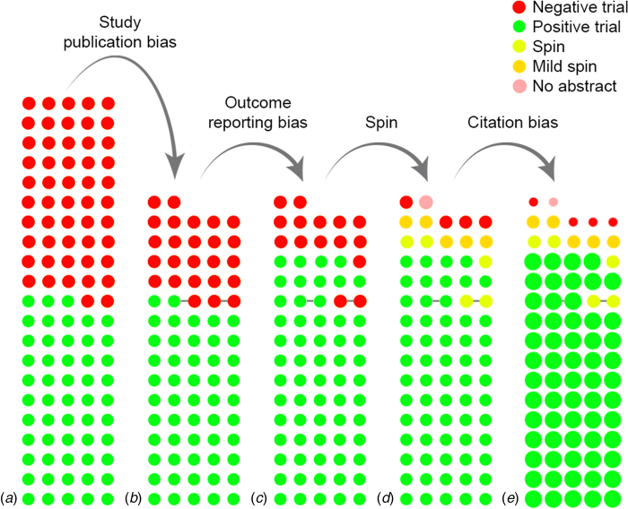
De Vries, Y. A., Roest, A. M., de Jonge, P., Cuijpers, P., Munafò, M. R., & Bastiaansen, J. A. (2018). The cumulative effect of reporting and citation biases on the apparent efficacy of treatments: the case of depression. Psychological Medicine, 48(15), 2453–2455. https://doi.org/10.1017/S0033291718001873
Task: Match the bias to its description.
| Bias | Description |
|---|---|
| 1. Confirmation bias | A. Non-publication of negative outcomes within a paper, or switching non-significant primary outcomes with significant secondary ones. |
| 2. Spin | B. Studies with positive results receive more citations than negative studies. |
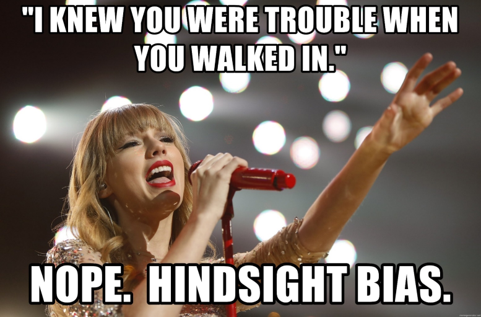
| 3. Study publication bias | C. After learning the outcome, believing “I knew it all along.” |
| 4. Hindsight bias | D. Non-publication of an entire study (e.g., trials with null results never submitted). |
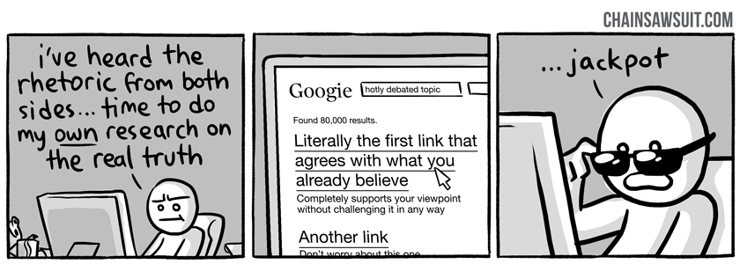
| 5. Outcome reporting bias | E. Tendency to seek or interpret information in ways that confirm existing beliefs. |
| 6. Citation bias | F. Authors conclude the treatment is effective despite non-significant primary outcomes. |
Based on what you learnt so far, how would you currently rate your trust in published scientific findings on a scale from 1 - 5? (1 = not trusting any of the findings, 2 = trusting only some findings, 3 = trusting about half of the findings, 4 = trusting the majority of the findings, 5 = trusting all findings)
1
2
3
4
5
What does replicability in research mean?
Obtaining the same results using the original dataset and code
Obtaining consistent results when a new study collects new data using the same methods
Publishing results in more than one journal
Repeating the statistical analysis multiple times
What is publication bias in research?
The tendency for journals to publish studies only from well-known researchers
The requirement that all published studies must be peer-reviewed
The practice of publishing the same study in multiple journals
The tendency for studies with positive results to be published more often than studies with non-significant or negative results
What do we see in the results?
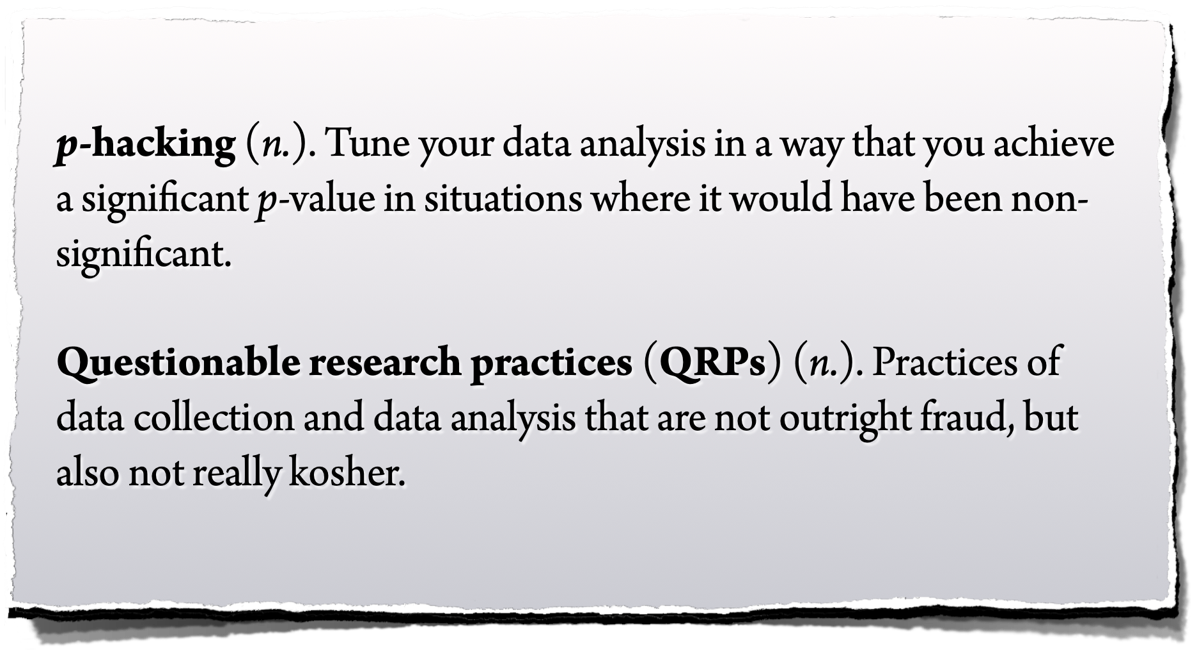
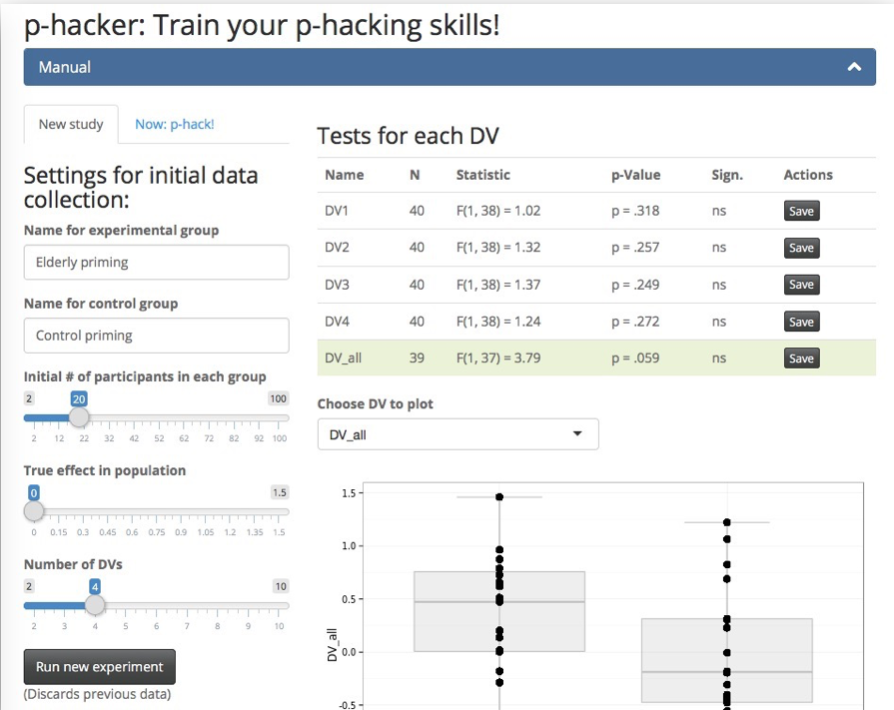
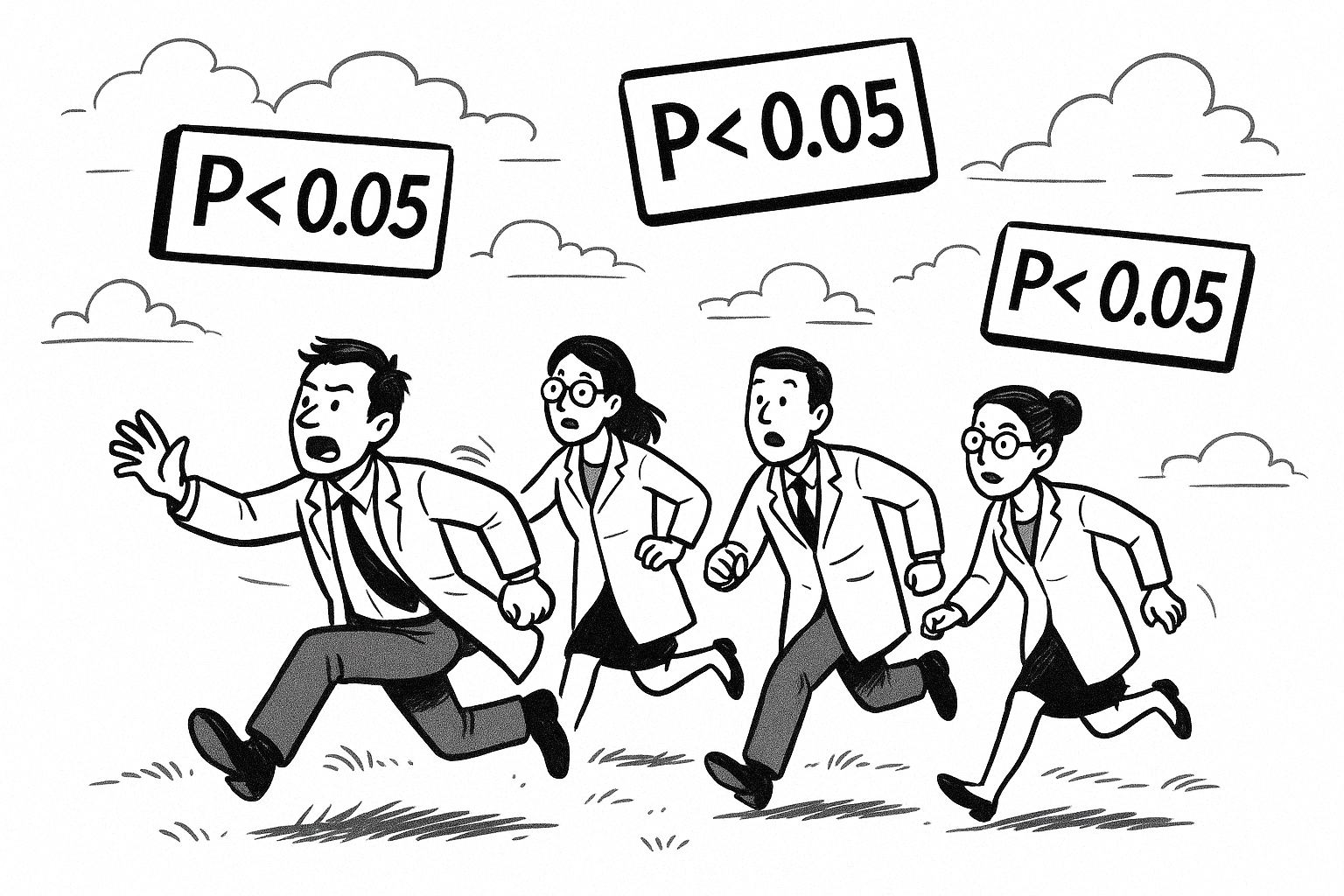
“P-hack… What now?”
Example: Does the new drug “SniffStop” work better to decrease flu symptoms compared to the existing drug “CoughAway”?
Important
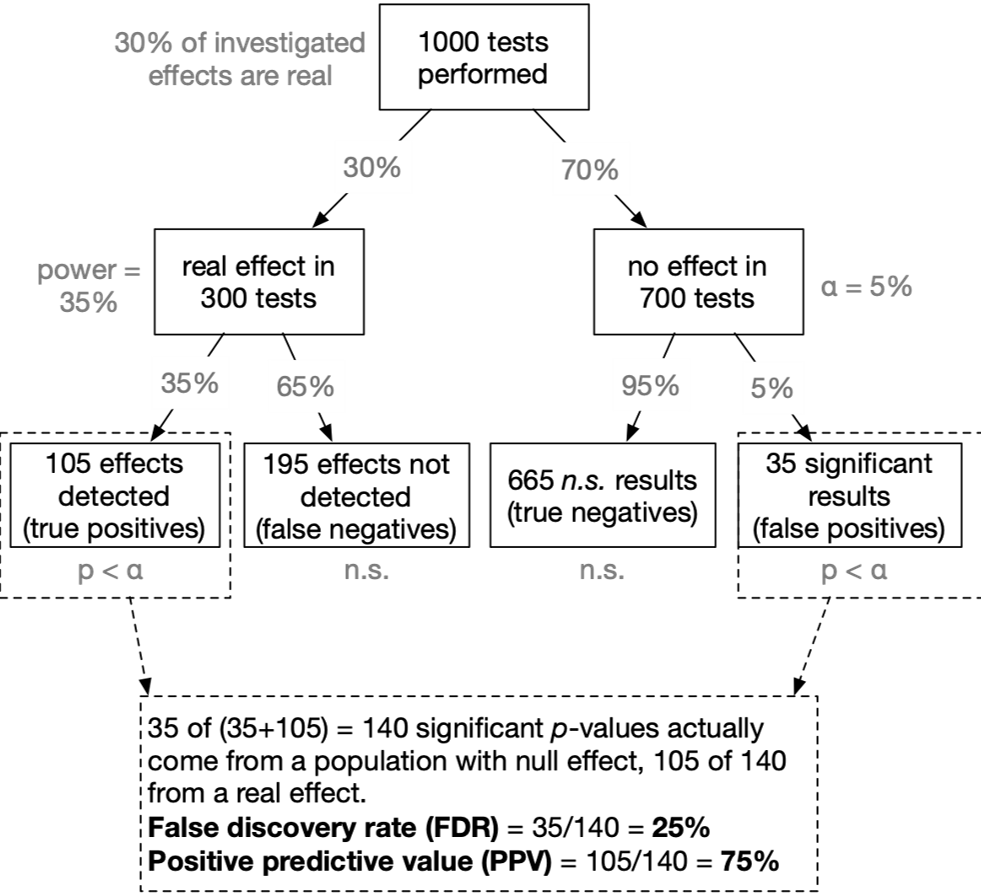
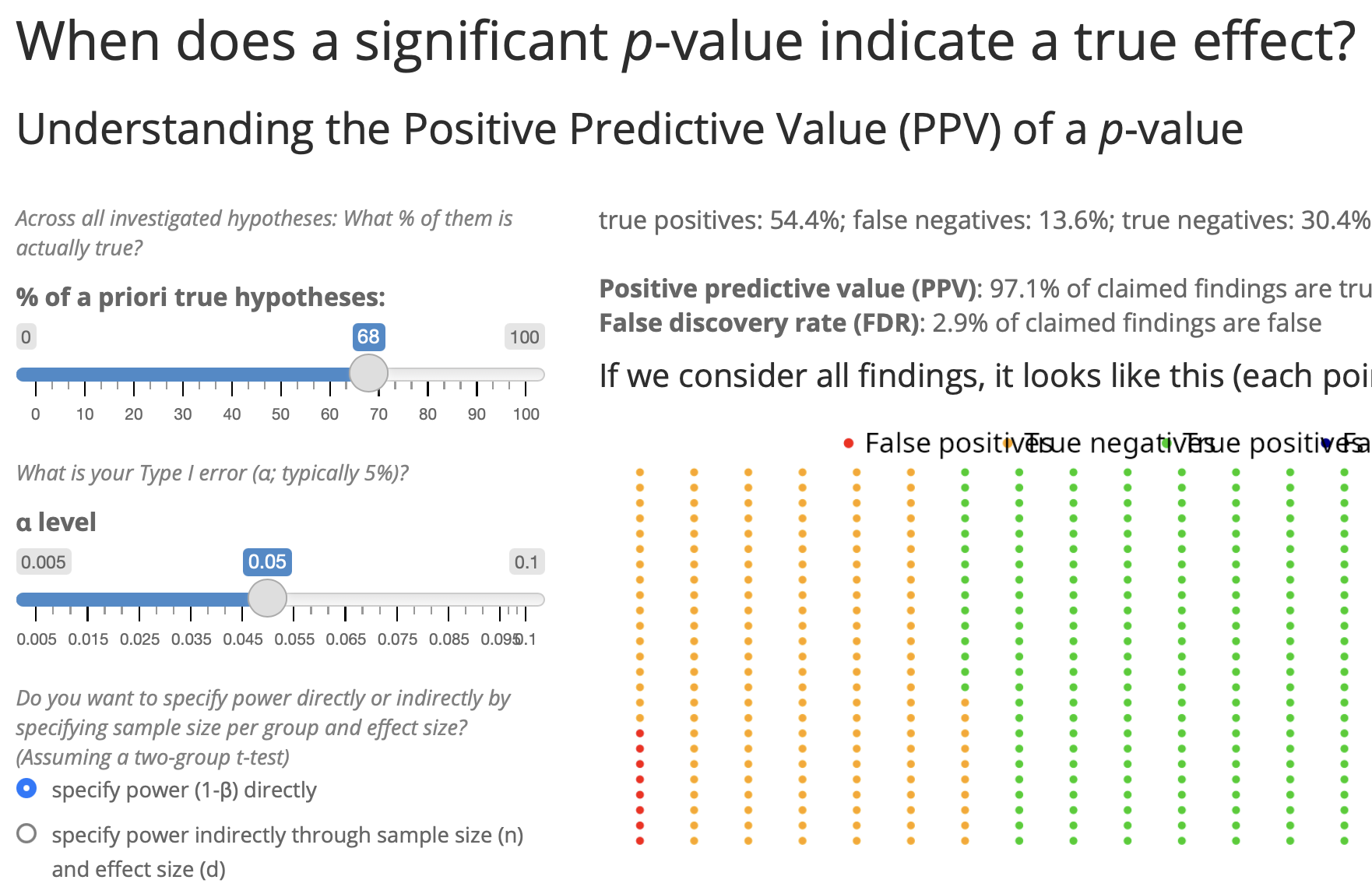
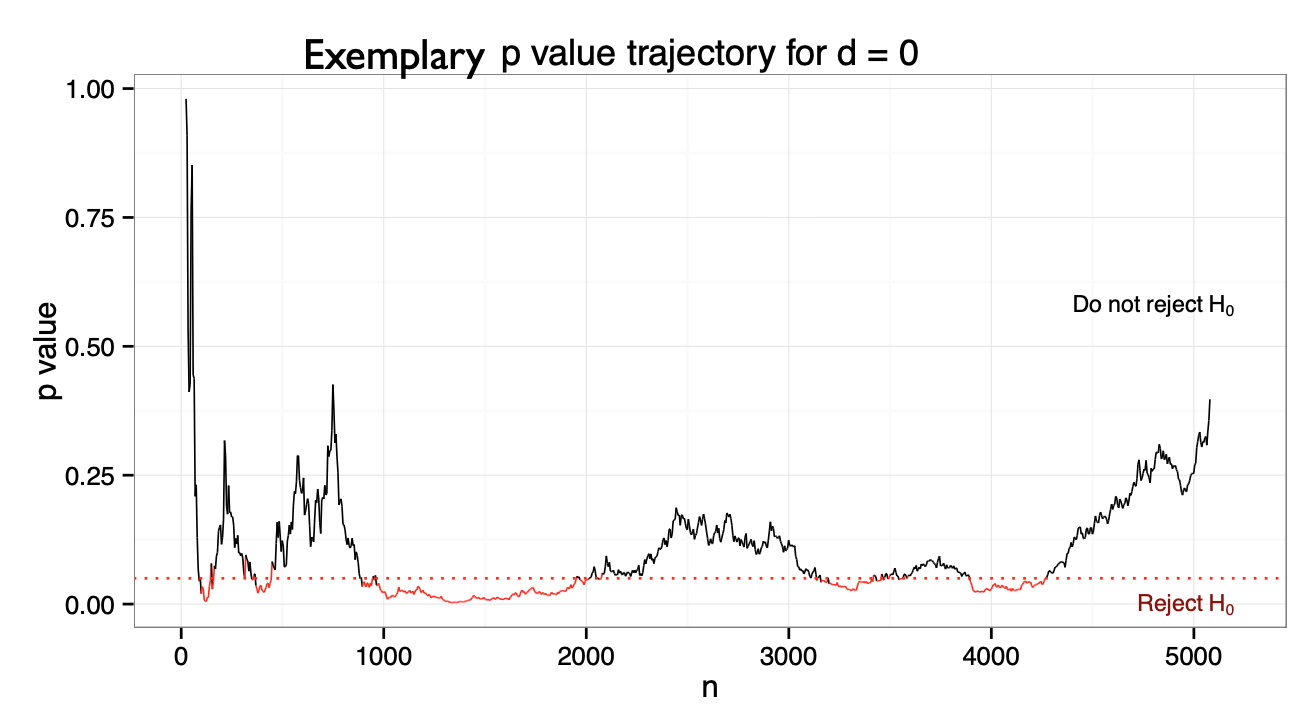
A p-value of 0.05 means that we accept a 5% chance that our results came about by pure luck (if the results were accidental, we would speak of a false positive result)
Warning
Do not try the following at home.
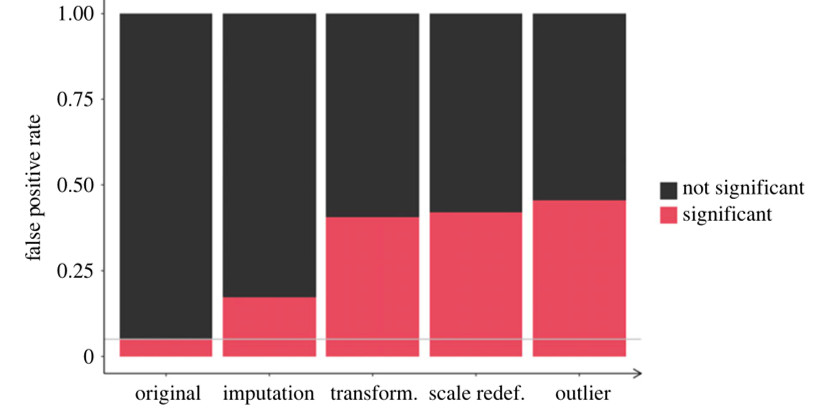
For two outcome variables: False positive rate increases from 5% to 9.5%
For five outcome variables: False positive rate increases from 5% to 41%
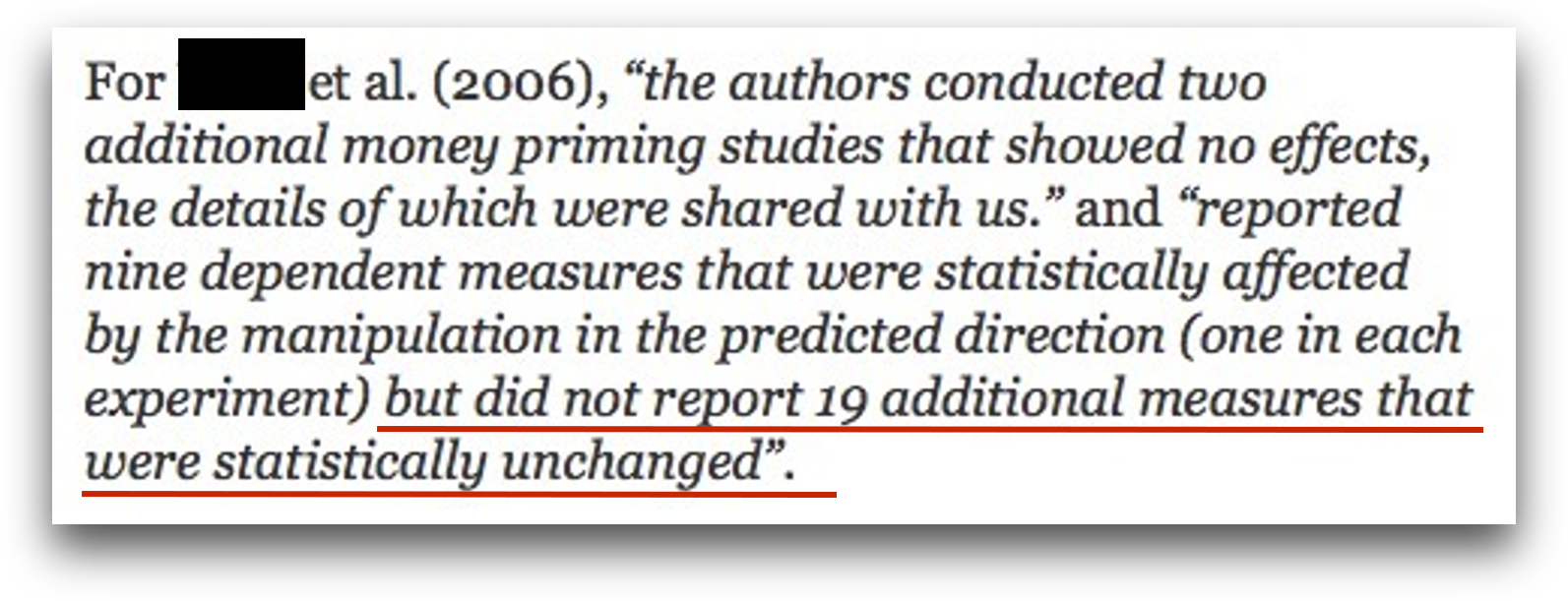
O’Boyle, E. H., Banks, G. C., & Gonzalez-Mulé, E. (2017). The Chrysalis Effect: How ugly initial results metamorphosize into beautiful articles. Journal of Management, 43(2), 376–399. https://doi.org/10.1177/0149206314527133
Armitage, P., McPherson, C. K., & Rowe, B. C. (1969). Repeated significance tests on accumulating data. Journal of the Royal Statistical Society. Series A (General), 132, 235–244.
Stefan, A. M., & Schönbrodt, F. D. (2023). Big little lies: A compendium and simulation of p -hacking strategies. Royal Society Open Science, 10(2), 220346. https://doi.org/10.1098/rsos.220346
Warning
The so-called “hacks” on the past few slides represent questionable research practices. Do not try at home.
Scenario: You are reviewing a study examining whether drinking white tea improves short-term memory, where the researchers report:
Hypothesis: White tea improves memory test scores.
Sample size: 28 participants per group (tea-drinkers vs. water-only-drinkers)
Results:
Conclusion: The results show that white tea reliably improves cognitive performance.
Which potential p-hacking strategies are at play here?
Scenario: You are reviewing a study examining whether drinking white tea improves short-term memory, where the researchers report:
Hypothesis: White tea improves memory test scores.
Sample size: 28 participants per group (tea-drinkers vs. water-only-drinkers)
Results:
Conclusion: The results show that white tea reliably improves cognitive performance.
Come on now. Surely not..?
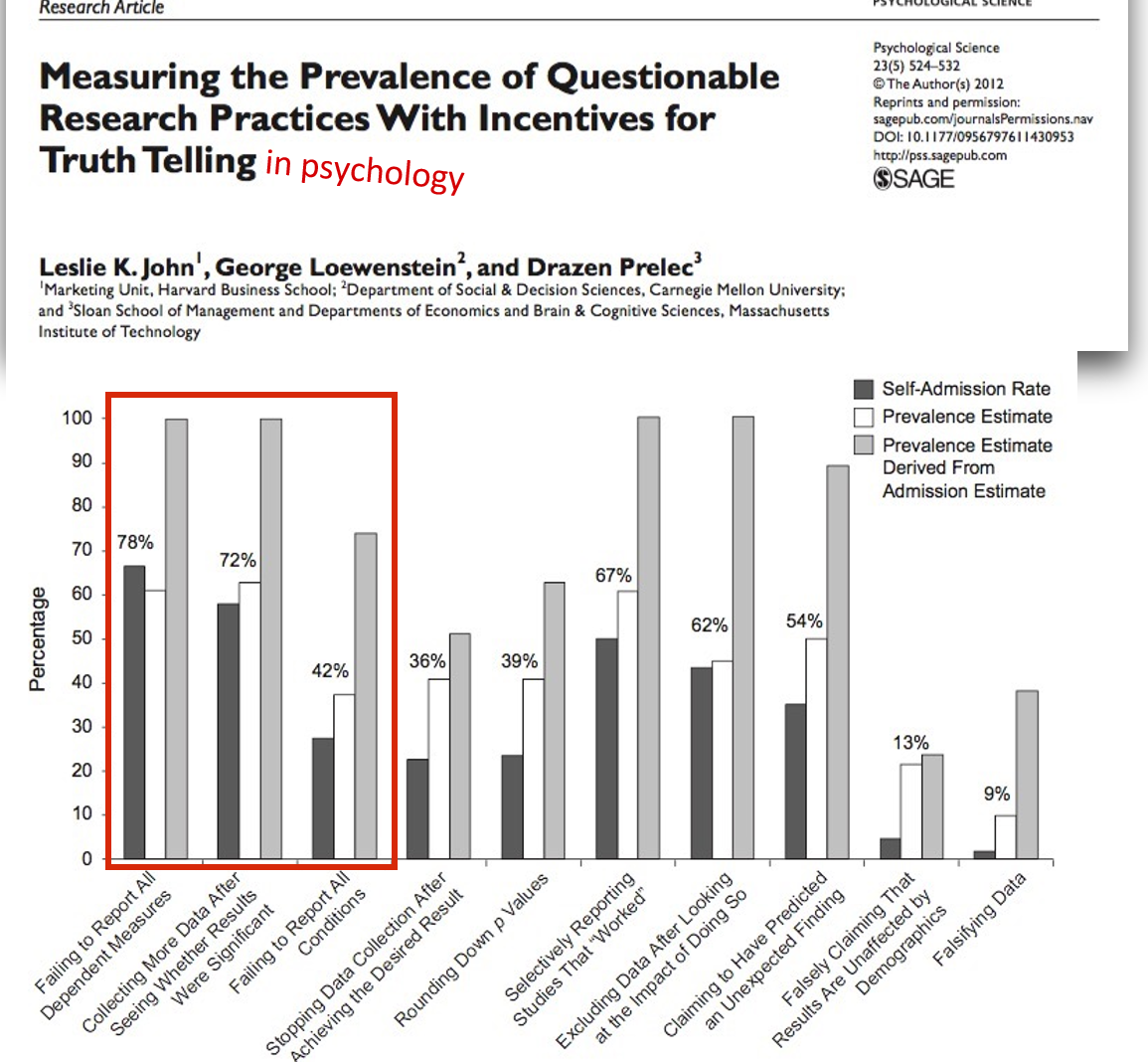
John, L. K., Loewenstein, G., & Prelec, D. (2012). Measuring the prevalence of questionable research practices with incentives for truth telling. Psychological science, 23(5), 524-532.
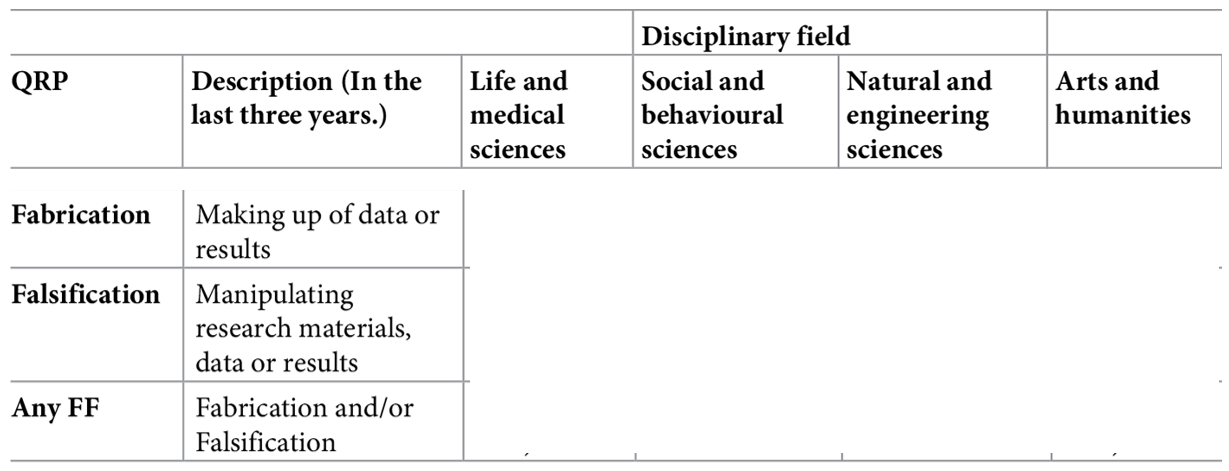
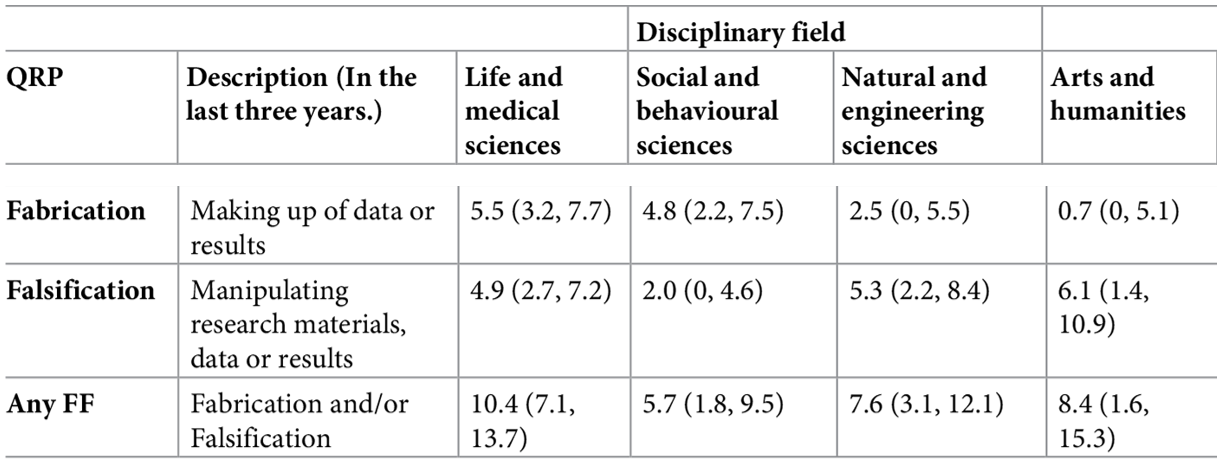
Gopalakrishna, G., ter Riet, G., Vink, G., Stoop, I., Wicherts, J. M., & Bouter, L. M. (2022). Prevalence of questionable research practices, research misconduct and their potential explanatory factors: A survey among academic researchers in The Netherlands. PLOS ONE, 17(2), e0263023. https://doi.org/10.1371/journal.pone.0263023
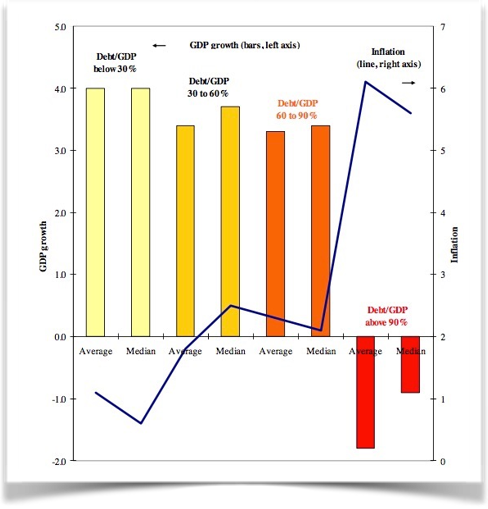
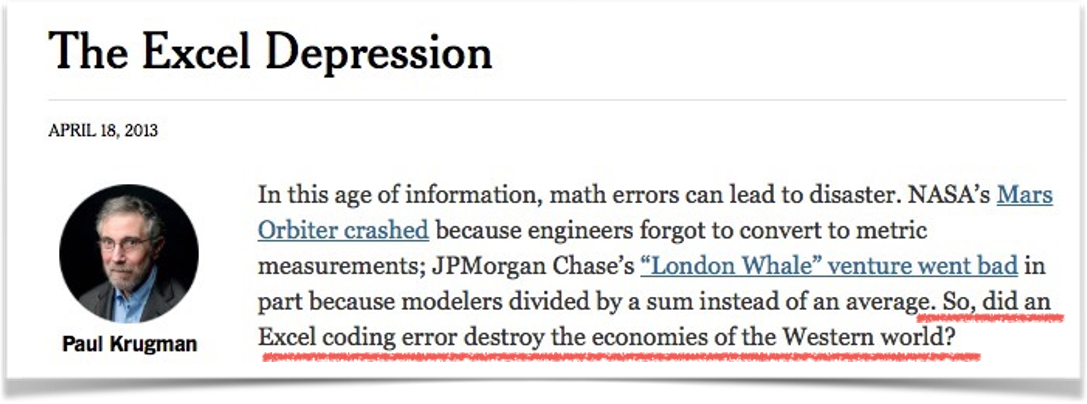
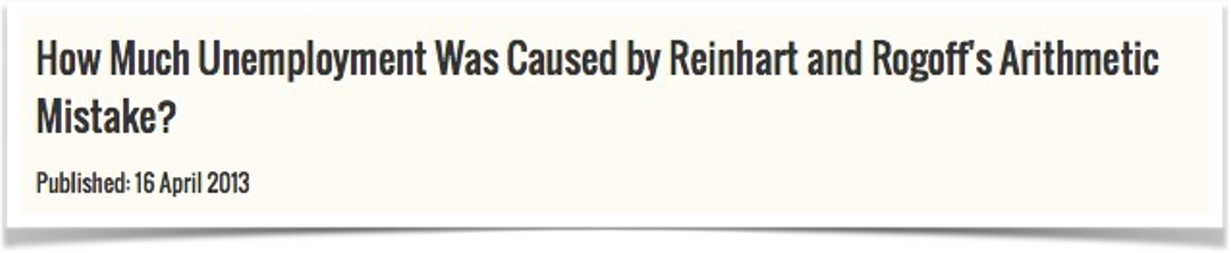
“90% Excel-Gate”

Important
The most important point of the story: The original authors shared their raw data, which made it possible to correct the honest mistake!
Reproducible analysis code and open data required at submission - “in-house checking” in review process
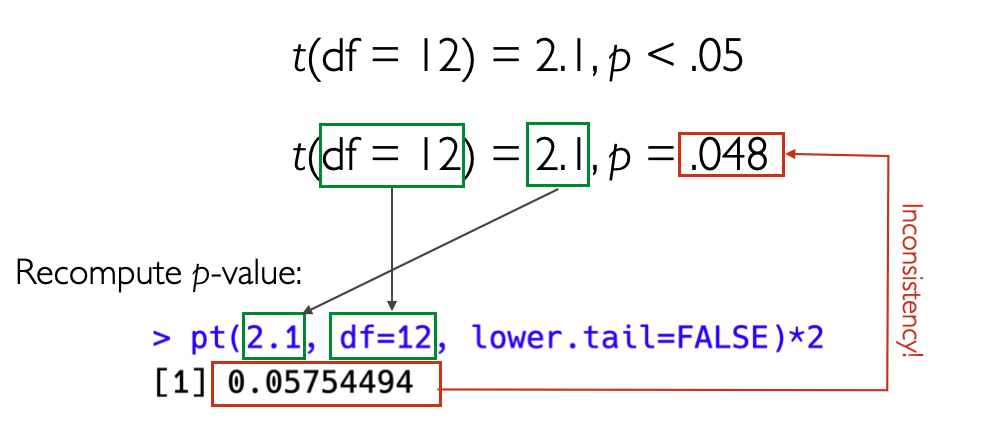
54% of all submissions had results in the paper that did not match the computed results from the code
Eubank, N. (2016). Lessons from a decade of replications at the quarterly journal of political science. PS: Political Science & Politics, 49(2), 273-276 https://doi.org/10.1017/S1049096516000196
Nuijten, M. B., Hartgerink, C. H., Van Assen, M. A., Epskamp, S., & Wicherts, J. M. (2016). The prevalence of statistical reporting errors in psychology (1985–2013). Behavior research methods, 48(4), 1205-1226. https://doi.org/10.3758/s13428-015-0664-2
Bias + (accidental) p-hacking + human (honest) mistakes = untrustworthy research findings?
Note


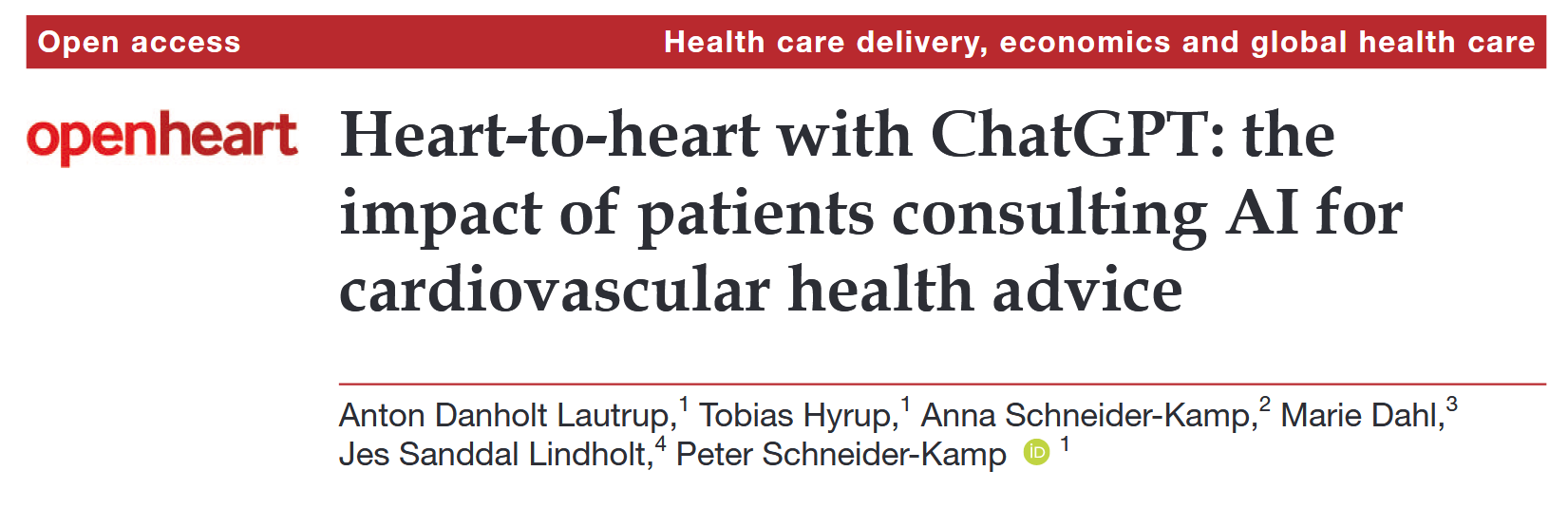
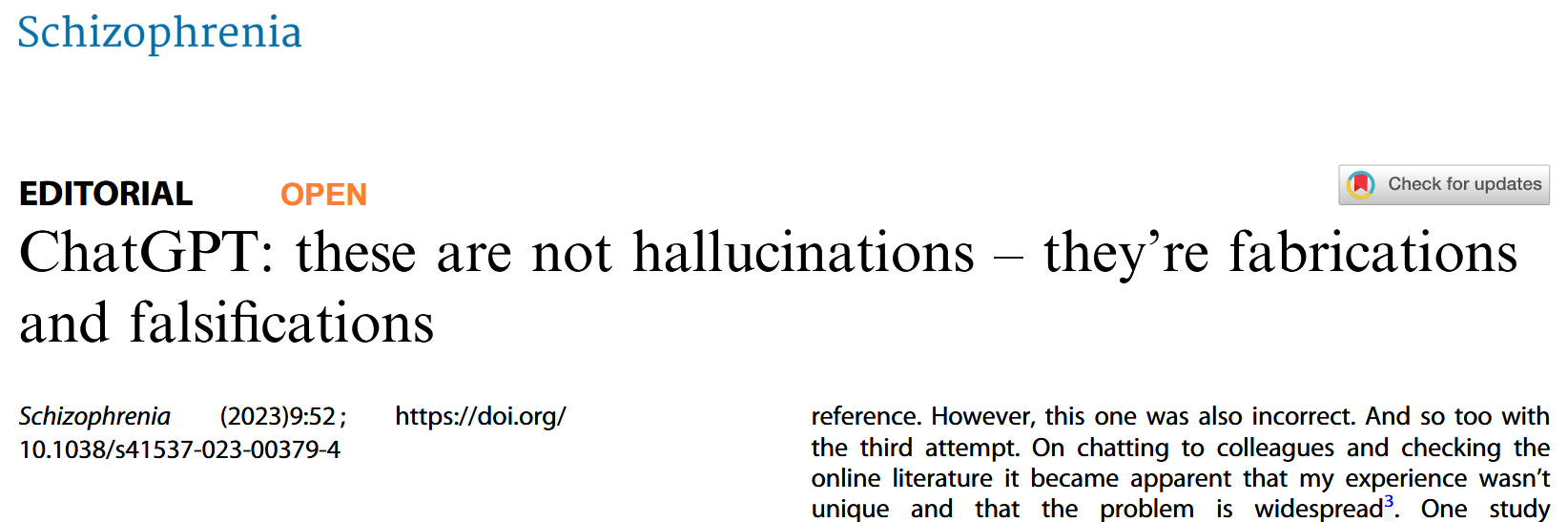
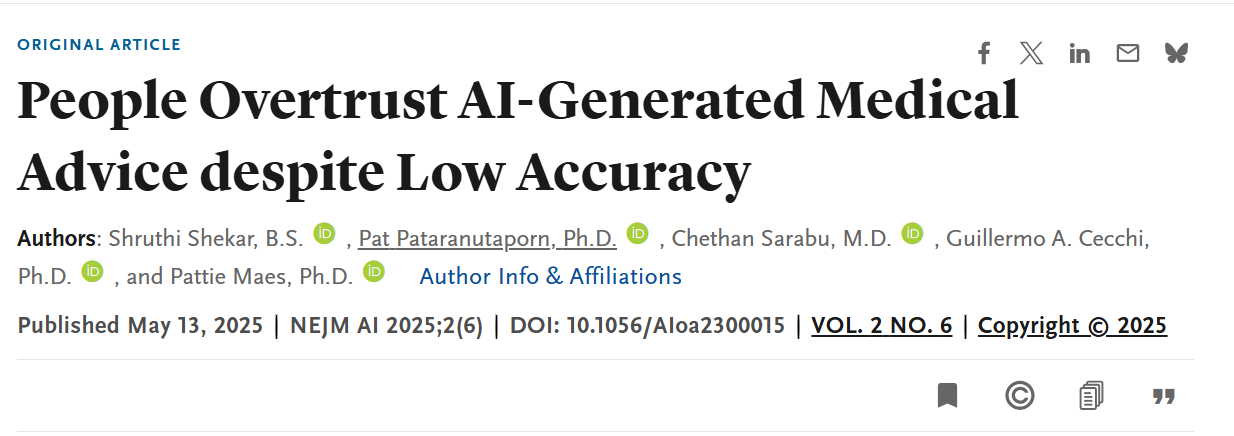
Emsley, R. (2023). ChatGPT: These are not hallucinations - they’re fabrications and falsifications. Schizophrenia, 9(1), 52. Lautrup, A. D., Hyrup, T., Schneider-Kamp, A., Dahl, M., Lindholt, J. S., & Schneider-Kamp, P. (2023). Heart-to-heart with ChatGPT: the impact of patients consulting AI for cardiovascular health advice. Open Heart, 10(2). Shekar, S., Pataranutaporn, P., Sarabu, C., Cecchi, G. A., & Maes, P. (2025). People Overtrust AI-Generated Medical Advice despite Low Accuracy. NEJM AI, 2(6), AIoa2300015.
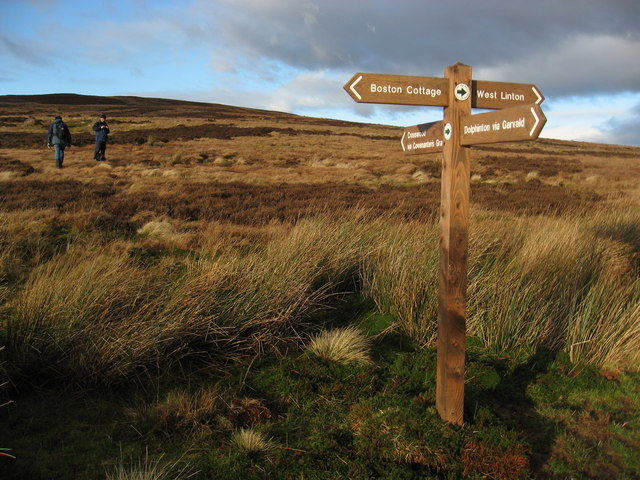
This image was taken from the Geograph project collection. The copyright on this image is owned by Chris Martin and is licensed for reuse under the Creative Commons Attribution-ShareAlike 2.0 license.
Open Research
aka
A scientific framework for the 21. century
One-minute paper: Imagine you would have to explain the current challenges in research you heard about today to a friend. Write down what you would say to them.
What are you taking away from today?
Remember: There are solutions!
Research is not “doomed” - on the contrary. More on this in the next session!
See you next class :)
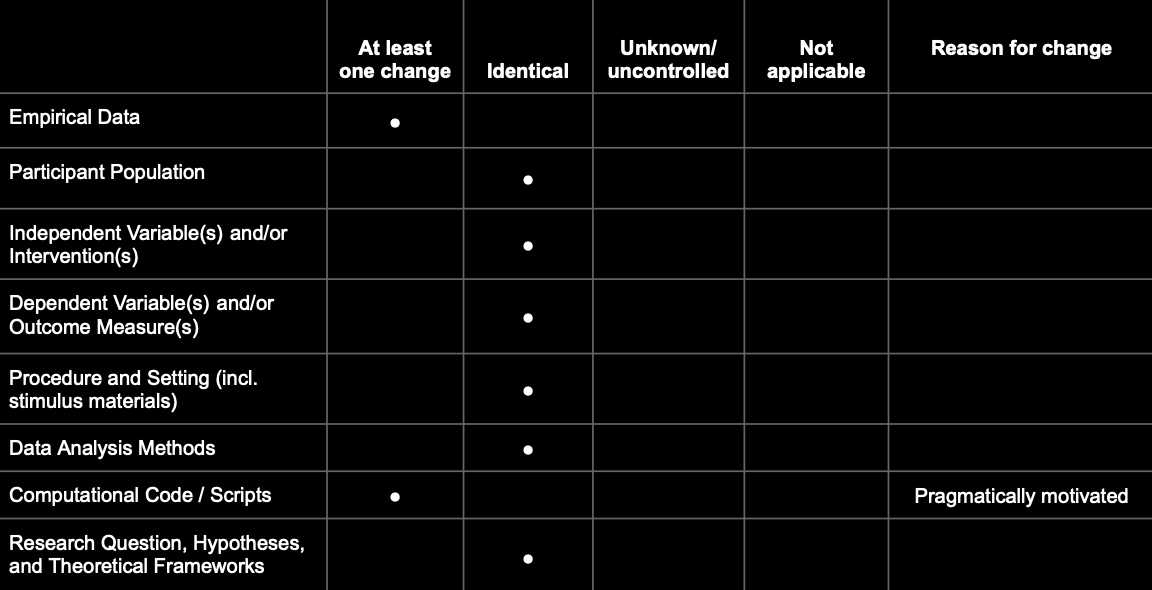
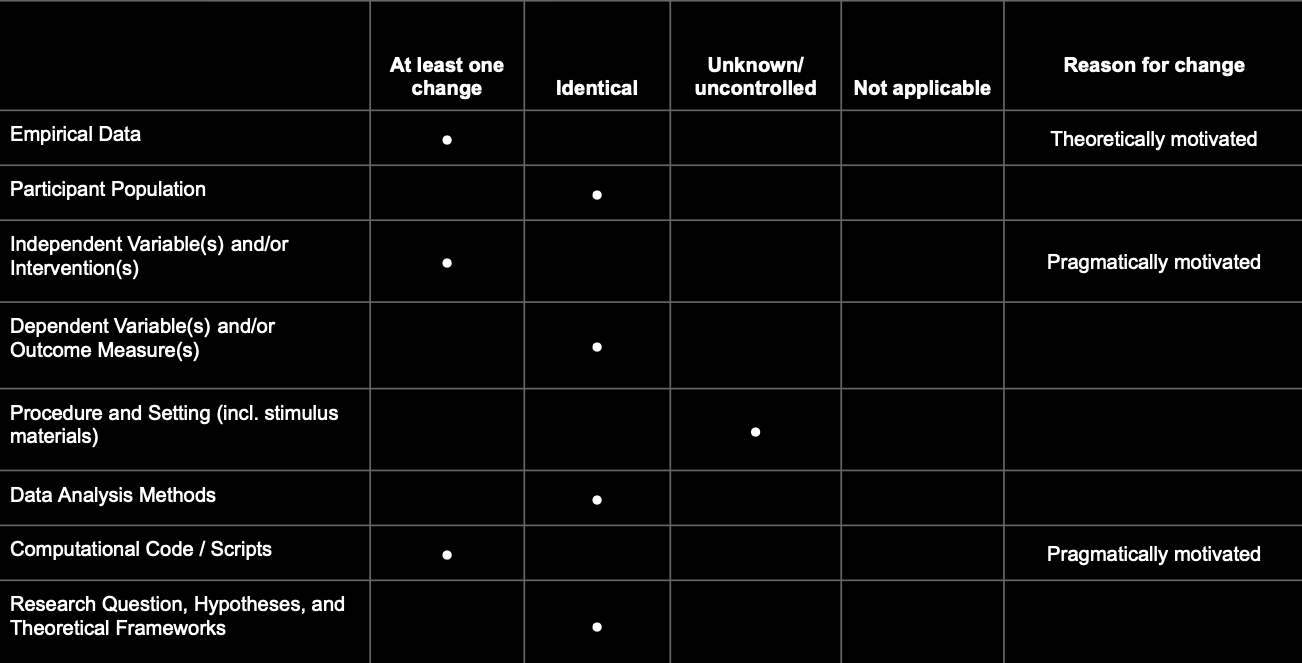
Decide whether each scenario in the following slides is an example of reproducibility or replicability.
A computational neuroscientist reruns a published fMRI analysis using the original dataset and Python scripts to verify the reported brain activation patterns.
An environmental scientist repeats a field experiment on soil nutrient levels using the same sampling protocol at a different site.
A linguist reanalyzes a corpus of historical texts using the same annotation guidelines and code to verify reported patterns of syntactic structures.
A psychology lab replicates a social behavior experiment using new participants from a different cultural background.
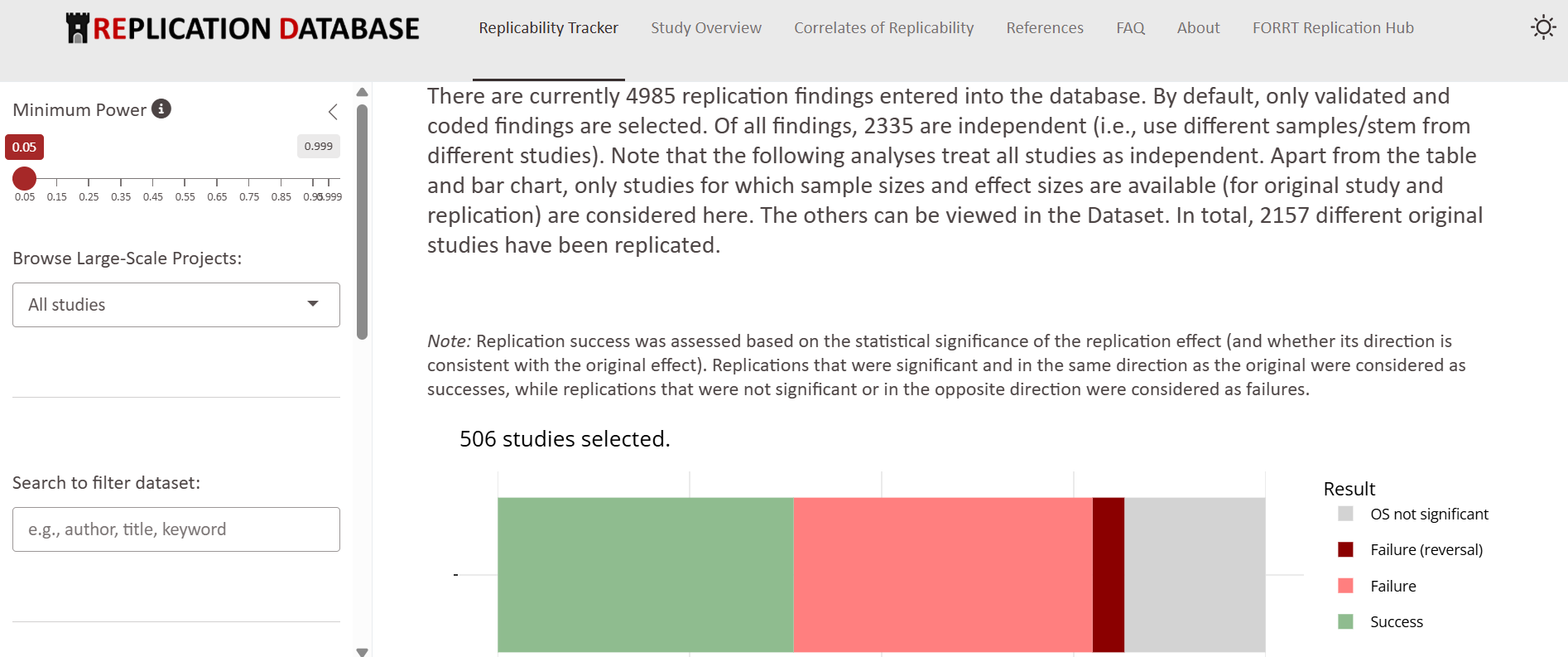
FORRT Replication Database (https://forrt-replications.shinyapps.io/fred_explorer/)
| Field | Success | Failure |
|---|---|---|
| OSC (2015) – Psychology | 36% | 64% |
| Chang & Li (2015) – Economics (67 papers, 29 papers replicated) | 43% | 57% |
| Camerer 2016 – Econ laboratory | 61% | 39% |
| Camerer combined Social Sci | 62% | 38% |
| Begley & Ellis (2012) – Cancer Research | 11% | 89% |
| Prinz et al. (2011) – Pharmaceutical research | 35% | 65% |
| Cova et al. (2018) – x-philosophy | 70% | 30% |
| Protzko et al. (2023) – Social | 86% | 14% |
Ideal scenario: Balancing the desire to stay truthful to research with the necessity to publish?

LMU Open Science Center